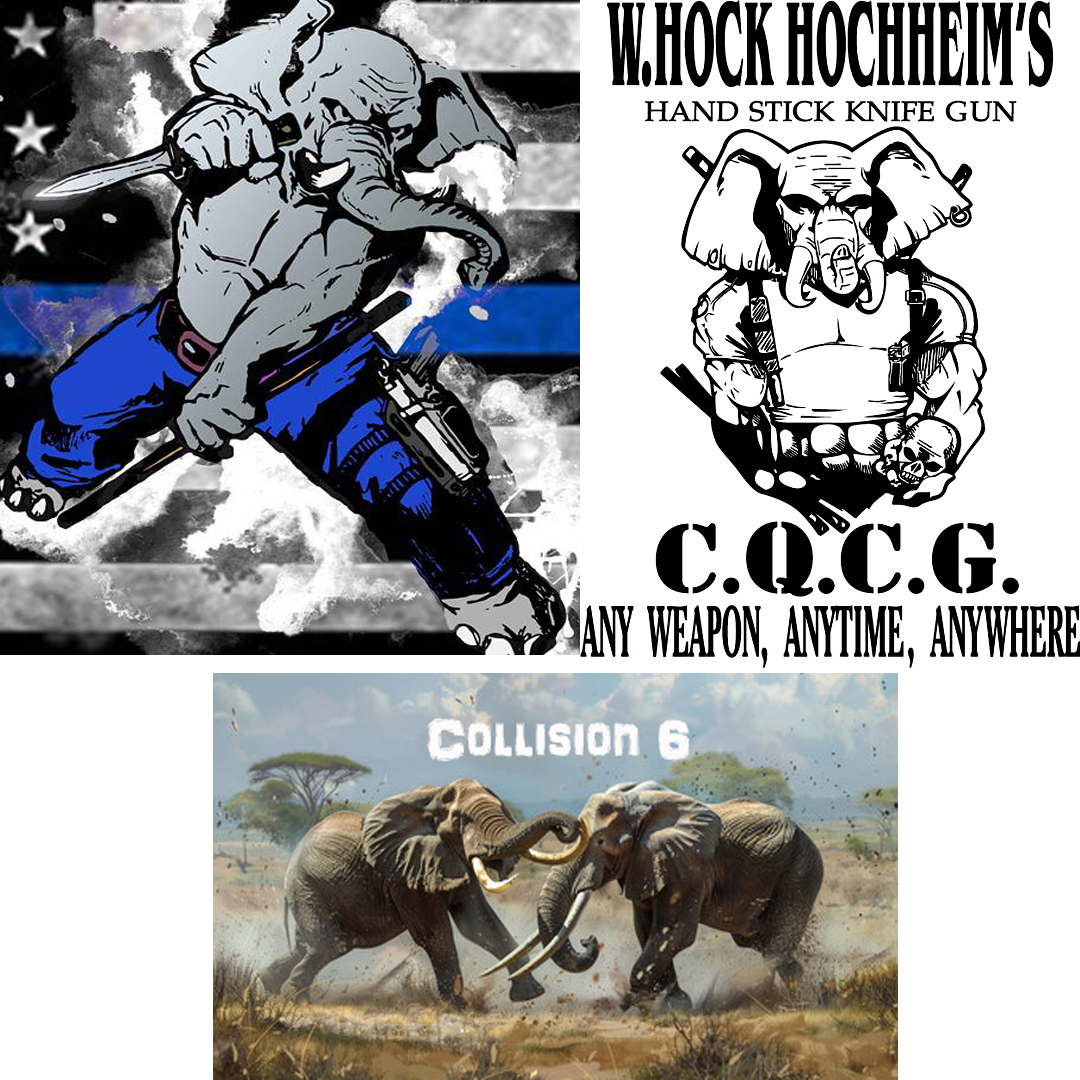
HAVE YOU SEEN THE ELEPHANT? SEEING THE ELEPHANT?….
(Rhetorical questions, you need not answer)
Many historians believe the expressions may trace back even earlier to big-game hunting, including African elephant hunting, though the Civil War usage is what firmly fixed it in American language. In 18th-and early 19th-century slang, “to see the elephant” meant to experience something rare, dangerous, and impressive. In the context of African exploration and big-game hunting, especially elephant hunting, seeing an elephant was not just sightseeing — it meant confronting one of the largest, most dangerous animals on earth. Elephant hunts were physically grueling and often deadly.
To actually “see the elephant” in that setting implied that you had faced the ultimate test. That idea — facing the biggest, most formidable thing out there — transfers naturally to war. The “elephant” became battle itself. It was the enormous, uncontrollable force of combat. When a soldier said he had “seen the elephant,” he meant he had been under fire and survived the shock.
It was also a tag for wagon train travelers in the 1800 heading west.
When soldiers asked one another, “Have you seen the elephant?”, they were essentially asking: Have you been under fire? Have you faced the real thing? It became a badge of experience. A recruit who had not “seen the elephant” was green; one who had survived a battle had crossed a psychological threshold. So while the exact origin isn’t definitively proven, the hunting connection fits the metaphor well: the elephant as the largest, most dangerous challenge a man might face. War simply became the new elephant.
For these reasons, I have chosen various elephants for my Survival Centric (once Force Necessary) logos for 31 years now. For training purposes it’s a great idea to find and work with a smart person with a “high Martial I.Q” who has…seen the elephant.